Common Flea And Tick Problems In Homes And Yards
Local service providers can help eliminate common flea and tick problems in homes and yards, protecting your family and pets from bites and infestations.
Homeowners and property owners in the area often face the challenge of managing common flea and tick problems in homes and yards, especially during warmer months when these pests tend to become more active. These tiny parasites can quickly turn outdoor spaces into unwelcome zones, making yard activities less enjoyable and raising concerns about pests hitching a ride indoors. Exploring effective control options is a practical step for those looking to protect their families, pets, and outdoor environments from the discomfort and potential health risks associated with fleas and ticks.
Fortunately, local service providers specializing in flea and tick control can offer tailored solutions to address these issues efficiently. Whether it’s treating yard landscapes or implementing targeted indoor treatments, these experienced contractors understand the common problems faced in the area and can help develop a plan that fits specific property needs. Keep reading to learn more about common flea and tick challenges and how connecting with local experts can help maintain a pest-free home and yard.
- Flea and Tick Prevention - homeowners noticing recurring flea or tick issues in their yard can benefit from local contractors who apply targeted treatments to reduce infestations.
- Yard Treatment Services - when yard conditions promote flea and tick problems, local service providers can implement barrier sprays and treatments to protect outdoor spaces.
- Indoor Pest Control - if fleas or ticks are detected inside the home, local pros use comprehensive approaches to eliminate pests from carpets, furniture, and pet areas.
- Infestation Inspection - residents experiencing persistent flea and tick problems can rely on local contractors to identify problem areas and recommend effective control strategies.
- Preventive Barrier Treatments - for ongoing protection, local service providers can establish preventive treatments around yards and home perimeters to minimize future flea and tick issues.
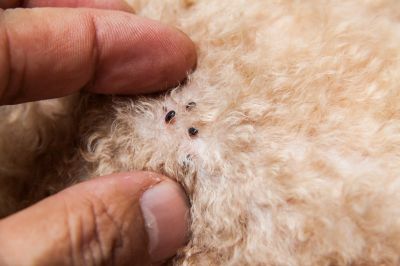
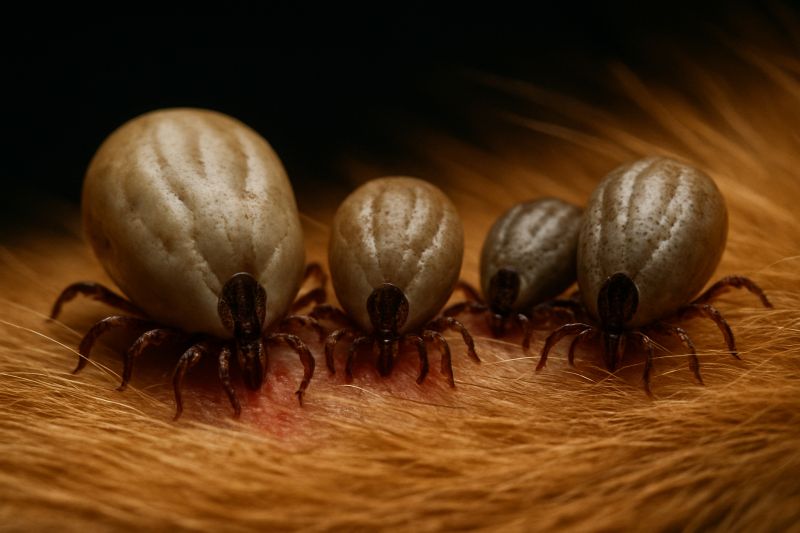
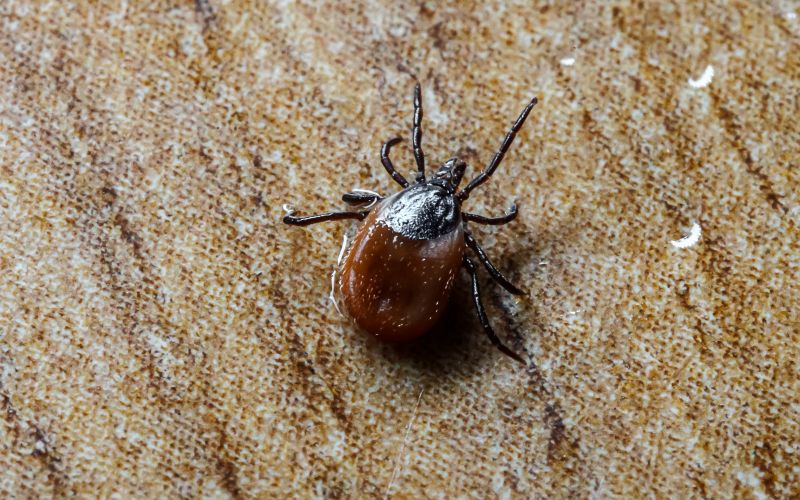
When homeowners search for information about common flea and tick problems in homes and yards, they often want to understand the risks these pests pose and how they might be affecting their living spaces. Fleas and ticks are more than just nuisances; they can carry diseases that impact both humans and pets. People typically look for insights into how these pests invade homes, what signs to watch for, and how infestations develop over time. The search often reflects a desire to identify the root causes of recurring flea and tick issues, whether they originate indoors or outdoors, and to learn about effective ways to prevent or eliminate these pests from their property.
These problems are frequently linked to specific environments and property features. For example, homes with pets that spend time outdoors are more prone to flea and tick problems, especially if yards have tall grass, dense shrubs, or leaf litter that serve as hiding spots. Similarly, properties with unmanaged landscaping, wood piles, or debris can attract wildlife and rodents, which often carry fleas and ticks. People researching this topic are often concerned with how to manage or modify their property to reduce pest habitats, as well as how to protect their families and pets from bites and potential disease transmission.
The scope of common flea and tick problems in homes and yards typically involves infestations that are persistent and difficult to control without intervention. Indoor issues may include fleas hiding in carpets, furniture, or bedding, often resulting from pets bringing pests inside. Outdoor problems usually involve ticks lurking in grassy or wooded areas, waiting to latch onto humans or pets. These issues can lead to ongoing infestations if not addressed properly. Homeowners might also be exploring plans or treatments for regular pest management, seeking ways to create less hospitable environments for fleas and ticks, or considering how seasonal changes influence pest activity.
Most properties affected by flea and tick problems tend to be residential homes, especially those with yards or gardens. Suburban and rural properties are more likely to encounter these pests due to increased exposure to wildlife and natural habitats. However, even urban homes with small outdoor spaces can experience infestations if pests are introduced through pets or neighboring properties. When dealing with these common problems, many homeowners turn to local contractors who specialize in pest control. These service providers can assess the property, recommend tailored treatment plans, and help implement effective pest management strategies to keep fleas and ticks at bay, ensuring a safer and more comfortable living environment.
Pest Inspection Services - Professionals who conduct thorough inspections for pest infestations can identify signs of flea and tick problems in homes and yards, helping to determine the best control strategies.
Yard Treatment Projects - Local contractors specializing in yard treatments can apply targeted solutions to eliminate fleas and ticks in outdoor spaces, reducing the risk of infestations spreading indoors.
Home Exterior Pest Control - Experts offering exterior pest control services can treat entry points and surrounding areas to prevent fleas and ticks from entering the home environment.
Landscaping and Yard Maintenance - Skilled landscapers can modify yard conditions that attract fleas and ticks, such as overgrown vegetation, to create less hospitable environments.
Animal Pest Control - Service providers experienced in managing pests on pets can help reduce flea and tick populations that may be brought into homes from animals.
Mosquito and Insect Barrier Services - Providers offering barrier treatments for outdoor spaces can help control multiple pests, including fleas and ticks, in yards and gardens.
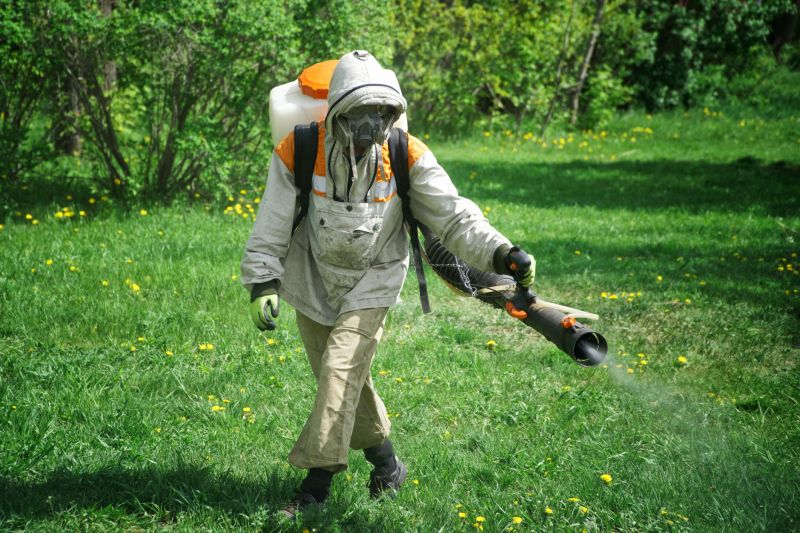
When evaluating service providers for flea and tick control related to common flea and tick problems in homes and yards, experience with similar projects is an important factor to consider. Homeowners should inquire about the contractor’s background in handling flea and tick issues specifically, including whether they have worked on properties with comparable environments or infestations. A contractor’s familiarity with the unique challenges presented by different yard sizes, landscaping features, and indoor conditions can impact the effectiveness of the treatment plan. Choosing a provider with a proven track record in managing these specific pests can help ensure the chosen approach is appropriate and effective for the particular situation.
Clear written expectations are essential to establish early in the process. Homeowners should seek detailed explanations of what the service includes, such as the scope of treatment, areas covered, and any follow-up measures. Transparent communication about the methods used and what results to anticipate helps prevent misunderstandings. Service providers who can clearly articulate their approach and provide written documentation of the plan demonstrate professionalism and make it easier for homeowners to assess whether the proposed solution aligns with their needs. Well-defined expectations also serve as a foundation for evaluating the quality of the work once completed.
Reputable references and good communication are key indicators of a reliable local contractor. Homeowners are encouraged to ask for references from past clients who had similar flea and tick problems in homes and yards. Contacting previous customers can provide insight into the contractor’s reliability, effectiveness, and professionalism. Additionally, service providers who are responsive and willing to answer questions throughout the process tend to foster a more positive experience. Good communication ensures that homeowners remain informed about the progress and any adjustments needed, ultimately leading to a more satisfactory outcome in managing common flea and tick problems.
Property owners often search for common flea and tick problems in homes and yards when they are planning practical projects around their homes and businesses. Local pros provide Flea and Tick Control services for everyday jobs and straightforward project options.
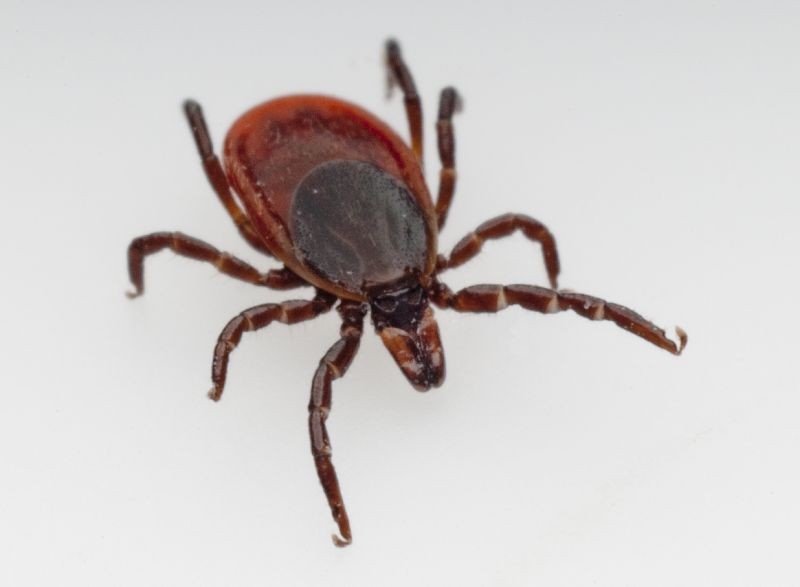
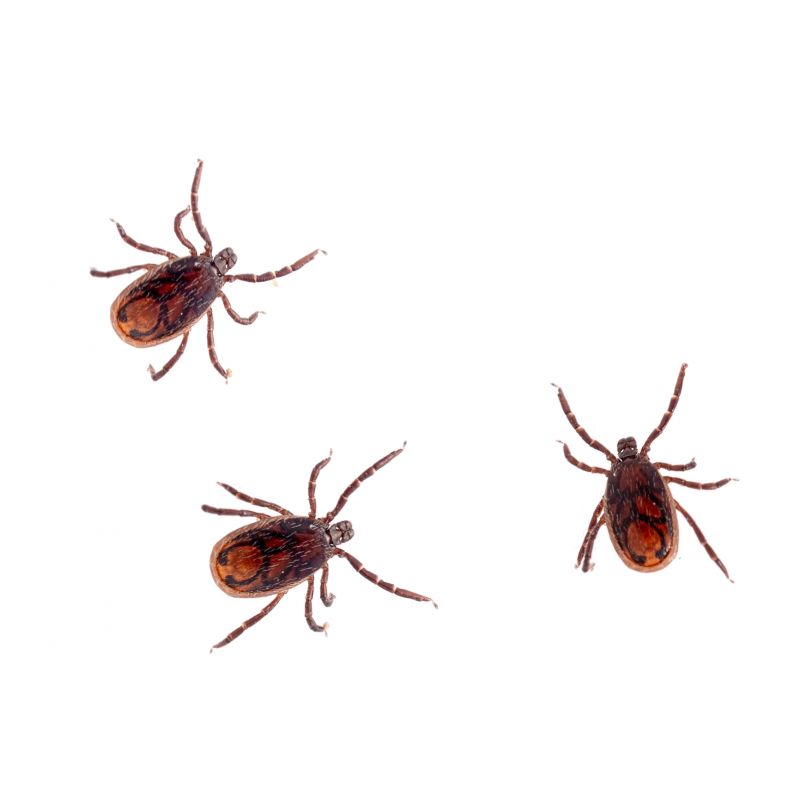
Many property owners in the area notice common flea and tick problems in homes and yards, especially during warmer months or after outdoor activities. Pets often bring fleas and ticks inside, leading to infestations that can quickly spread throughout the living space. Yard environments with tall grass, leaf litter, or shaded areas can also serve as breeding grounds for these pests, making it challenging to keep outdoor spaces pest-free without professional help. Homeowners seeking effective solutions may look into Flea and Tick Control services offered by local contractors who specialize in pest management, ensuring that both indoor and outdoor areas are treated thoroughly.
In many cases, property owners turn to local service providers to address recurring flea and tick issues that simple treatments can't fully resolve. Professionals can assess the specific conditions of a home and yard, identify pest hotspots, and implement targeted control methods to reduce infestations. Whether dealing with a persistent problem or trying to prevent future outbreaks, connecting with experienced local contractors can provide peace of mind and help maintain a pest-free environment for families and pets alike.
What are common flea and tick problems in homes and yards? Common flea and tick problems in homes and yards often include infestations on pets, in furniture, and in yard vegetation, leading to discomfort and potential health issues for residents and animals.
How do fleas and ticks typically enter homes and yards? Fleas and ticks can enter homes and yards through pets, outdoor wildlife, or by hitching a ride on clothing and footwear, especially in areas with dense vegetation or frequent animal activity.
What signs indicate a flea or tick infestation? Signs of infestation include frequent scratching or biting by pets, visible fleas or ticks on animals or bedding, and increased activity of these pests in yard shaded areas or tall grass.
How can local service providers help control flea and tick problems? Local contractors can perform comprehensive treatments for yards and homes, including pest eradication and prevention strategies tailored to eliminate fleas and ticks effectively.
Are there preventive measures to reduce flea and tick problems in homes and yards? Yes, local pros can advise on and implement preventive measures such as yard treatments, pet protection plans, and removing potential hiding spots for fleas and ticks around the property.
Identify problem areas - property owners can work with local contractors to spot hotspots in yards and homes where fleas and ticks tend to gather.
Implement yard maintenance - regular mowing, leaf removal, and trimming can reduce habitats for fleas and ticks, with guidance from local service providers.
Treat outdoor spaces - applying targeted insect control to lawns and shaded areas can help manage common flea and tick problems in homes and yards.
Maintain indoor cleanliness - frequent vacuuming and cleaning of pet bedding can support flea and tick control efforts, with assistance from local pest control experts.
If you are thinking about common flea and tick problems in homes and yards for a property, this guide is meant to help you understand this topic, the typical project types, and how different options might fit your plans.
When you are ready, you can use the quote form on this page to share a few details about your project. From there, local pros can review the basics and follow up with options that match what you have in mind.