How Spiders Affect Commercial Properties
Commercial spider control services help protect properties by reducing spider infestations that can damage reputation, cause discomfort, or lead to pest-related issues.
If you own or manage a commercial property, understanding how spiders affect commercial properties is an important step in maintaining a professional and welcoming environment. Spiders can sometimes be more than just a nuisance; their presence may indicate underlying issues such as cluttered storage areas or structural vulnerabilities that make a property more inviting to pests. Exploring this topic can help property owners identify practical ways to reduce spider activity and prevent potential infestations that could disrupt operations or impact the property's appearance.
Engaging with local contractors who specialize in commercial spider control offers practical solutions for managing these arachnids effectively. These service providers understand the unique challenges faced by commercial properties and can tailor strategies to keep spaces clean and spider-free. By learning more about how spiders affect commercial properties and working with experienced local pros, property owners can better protect their investment and create a safer, more inviting space for tenants, employees, and visitors alike.
- **Commercial Spider Control** - Businesses experiencing increased spider activity in their buildings may need professional removal and prevention services, which local contractors approach with targeted treatments.
- **Spider Infestation Management** - Commercial properties facing persistent spider infestations can benefit from expert inspections and tailored pest control plans offered by local service providers.
- **Pre-Construction Spider Prevention** - New commercial developments seeking to minimize future spider problems often work with local pros to implement preventative measures during construction.
- **Exterior Property Treatments** - Commercial sites noticing spiders around building exteriors may require exterior treatments by local contractors to reduce entry points and nesting sites.
- **Sanitation and Maintenance Consulting** - Facilities aiming to reduce conditions favorable to spiders can consult with local pros for advice on site sanitation and structural modifications.
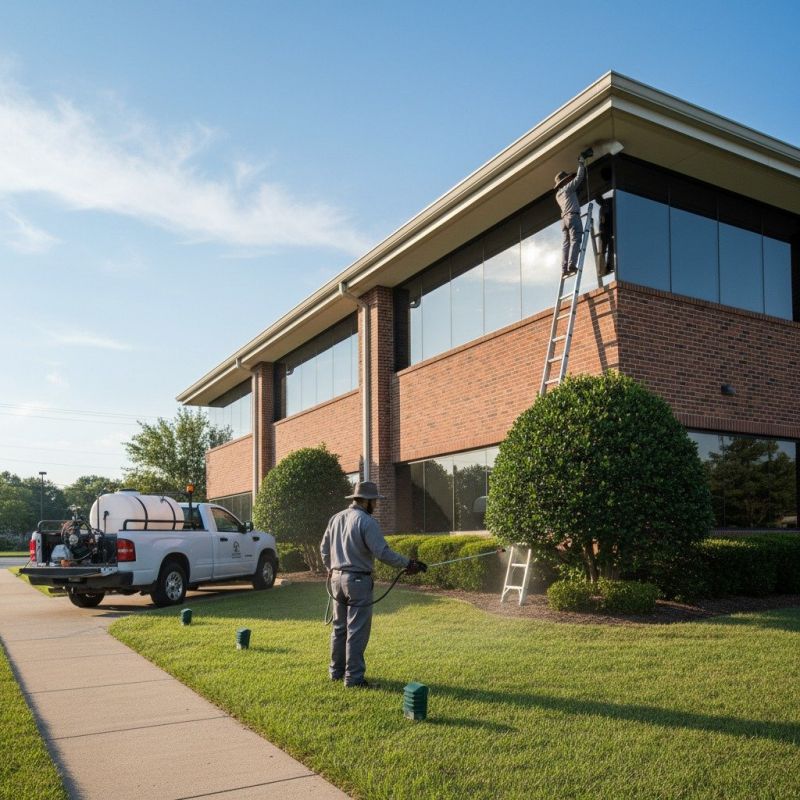
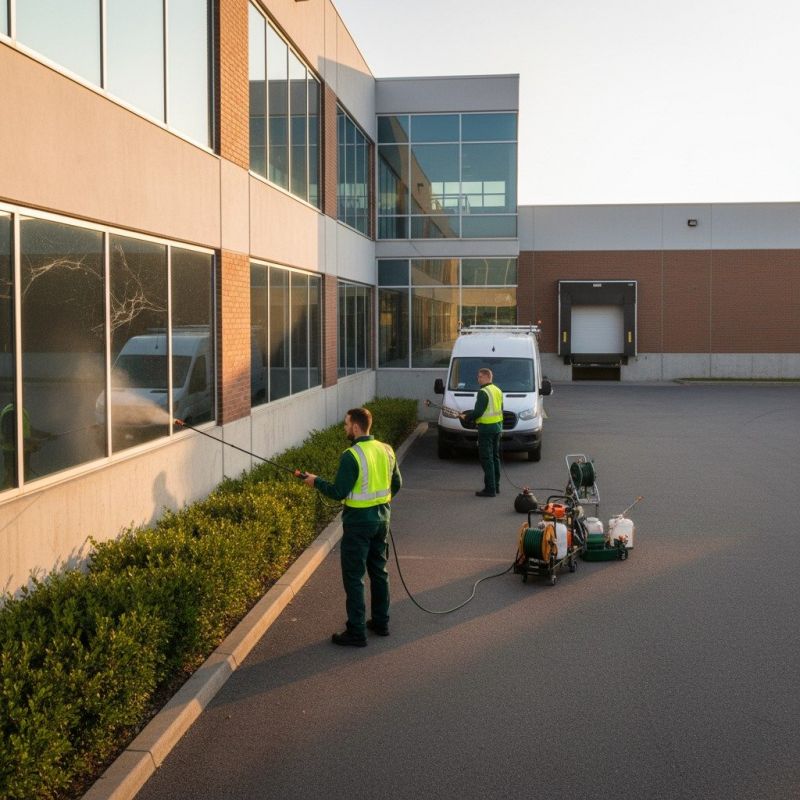
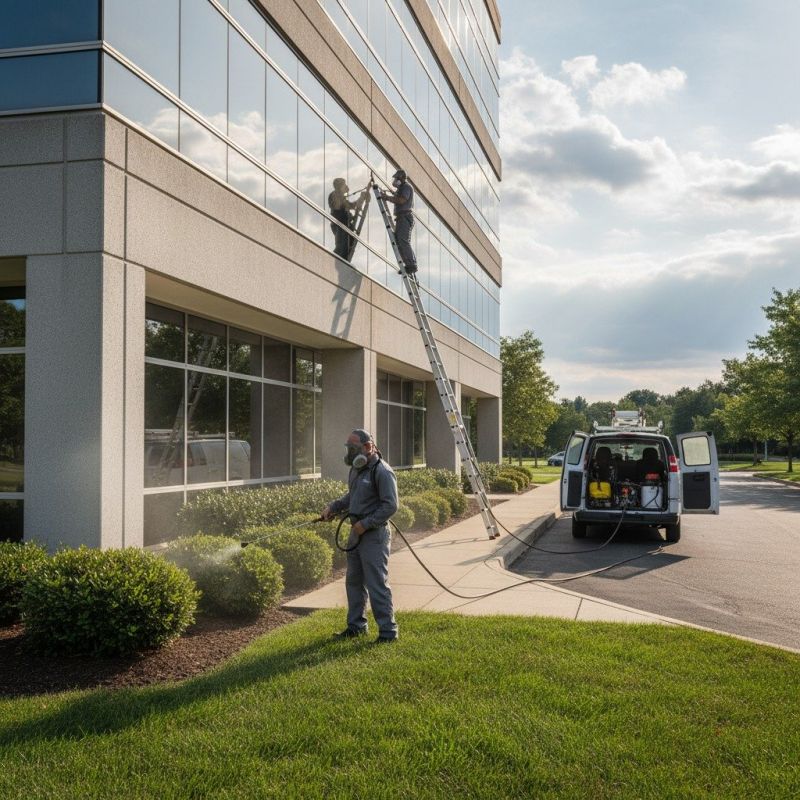
When people search for how spiders affect commercial properties, they are often concerned about the presence and potential problems caused by these arachnids in business environments. Many are interested in understanding whether spiders pose health risks, create unsightly conditions, or lead to infestations that could impact daily operations. This topic typically comes up when property managers or business owners notice spider webs, increased spider activity, or signs of spider nests on their premises. The goal is to learn how to manage or prevent spider-related issues to maintain a clean, professional appearance and ensure a safe environment for employees and visitors.
The problems associated with spiders on commercial properties often relate to cluttered or poorly maintained spaces, as these environments provide ideal hiding spots and breeding grounds. Spiders can build webs in corners, behind equipment, or in storage areas, which can lead to a buildup of webs and debris. While most spiders are harmless, their presence can cause discomfort or concern among staff and clients. In some cases, certain species might be mistaken for more dangerous pests, prompting businesses to seek professional help. Planning for pest management, including spider control, becomes part of ongoing property maintenance to minimize these issues and keep the premises tidy and spider-free.
Commercial properties that commonly encounter spider problems include warehouses, office buildings, retail stores, and food service establishments. Warehouses and storage facilities often have high ceilings, cluttered shelves, and dark corners that attract spiders. Office buildings with neglected corners or storage closets can also become spider habitats. Retail spaces and restaurants may experience spider activity in storage rooms or behind displays, where webs are less noticeable. For property owners and managers, understanding which types of properties are most affected helps in developing targeted pest control strategies. Local service providers specializing in commercial spider control can assess the specific needs of each property and implement effective measures to reduce spider populations.
Connecting with local pros who offer commercial spider control services is a practical step for property owners aiming to address how spiders affect their premises. These specialists understand the common spider species found in different types of commercial spaces and know how to safely remove webs and nests. They can also identify potential entry points and recommend ongoing prevention measures to keep spiders from returning. By working with experienced service providers, businesses can maintain a clean, professional environment that minimizes the impact of spiders on daily operations. Proper pest management helps ensure that the property remains welcoming for employees, clients, and visitors alike.
Pest Inspection Services - Professionals who perform comprehensive pest inspections can identify spider infestations and assess how they may impact commercial properties.
Building Maintenance Projects - Maintenance contractors skilled in structural repairs and sealing can help prevent spider entry points that contribute to infestation issues.
Exterior Cleaning and Debris Removal - Local service providers specializing in exterior cleaning can reduce spider habitats around commercial buildings, minimizing their presence.
Warehouse and Storage Facility Services - Experts who handle large storage areas can implement pest control measures to prevent spiders from establishing nests in inventory spaces.
Landscape Management Services - Landscaping professionals can manage vegetation and landscaping features that attract spiders near commercial properties.
Facility Sanitation Services - Sanitation providers focusing on cleanliness can help eliminate spider webs and reduce attractants around commercial premises.
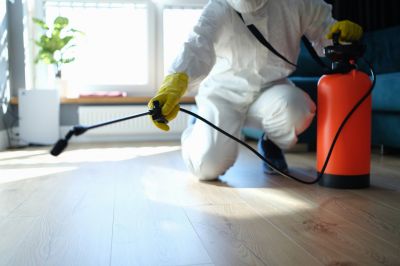
When evaluating service providers for commercial spider control, it is important to consider their experience with similar projects. A contractor who has handled properties comparable in size, layout, and use can often better anticipate the unique challenges that may arise. Understanding their background in managing spider issues in commercial settings helps ensure they are familiar with the most effective methods and can deliver results suited to the specific needs of a business environment.
Clear written expectations are essential when comparing local contractors. A reputable service provider should be able to outline their approach, what the treatment involves, and any precautions or preparations required. Having detailed information in writing helps prevent misunderstandings and ensures that both parties are aligned on the scope of work, which is particularly important in commercial spaces where disruptions can impact daily operations.
Reputable references and strong communication are key indicators of a reliable contractor. Asking for references from other commercial clients can provide insights into their professionalism, reliability, and the quality of their work. Good communication throughout the process-such as responsiveness to questions and clarity about procedures-can make the experience smoother and more predictable. These qualities help ensure that the service provider can effectively address concerns related to how spiders affect commercial properties and deliver a service that meets the specific needs of the business.
Property owners often search for how spiders affect commercial properties when they are planning practical projects around their homes and businesses. Local pros provide Commercial Spider Control services for everyday jobs and straightforward project options.
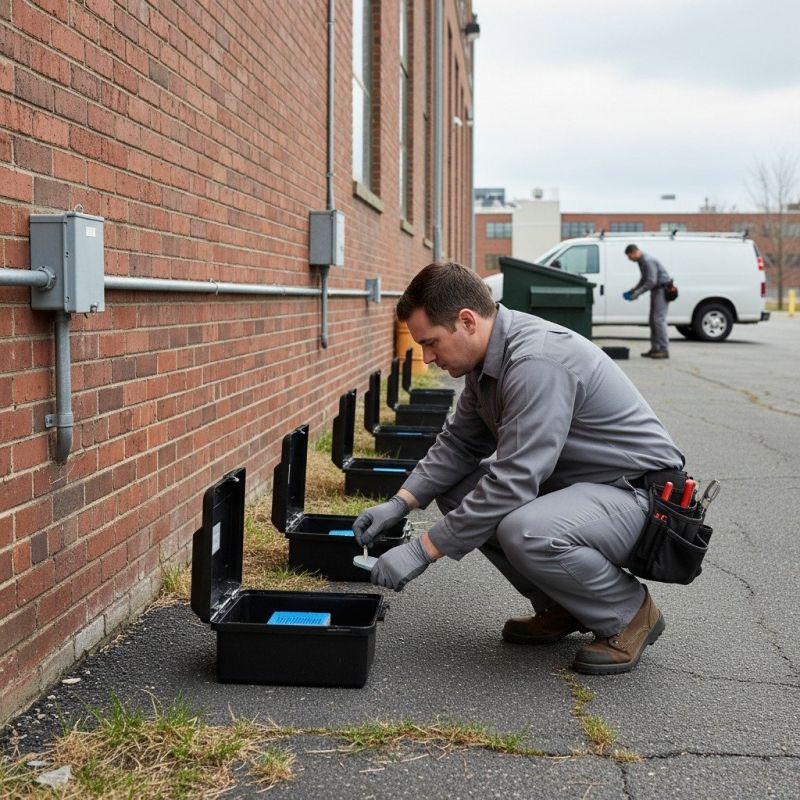
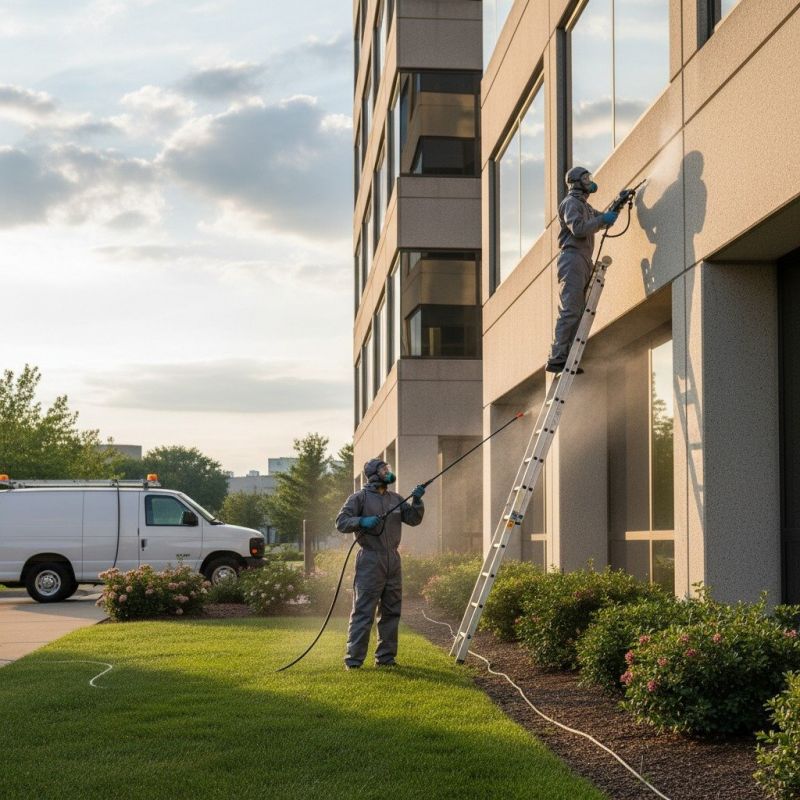
Spiders can become a common concern for commercial properties, especially in areas with accessible nooks, cracks, and cluttered spaces that provide ideal hiding spots. For property owners managing warehouses, office buildings, or retail spaces, an infestation can lead to discomfort among employees and clients, as well as potential damage to stored goods or inventory. Understanding how spiders affect commercial properties helps owners recognize the importance of professional control services to keep these arachnids at bay, ensuring a clean and pest-free environment.
Many property owners look into commercial spider control services when noticing increased spider activity or signs of webs around their premises. Local contractors specializing in pest management can assess problem areas, identify entry points, and implement targeted treatments to reduce spider populations effectively. Engaging experienced service providers can help maintain a professional appearance and prevent the potential issues that spider infestations might cause, making it easier to focus on daily business operations without worry about unwanted pests.
How do spiders impact the appearance of commercial properties? Spiders and their webs can create an unkempt look, making a property appear neglected or less professional, which can affect customer perceptions.
Can spider infestations cause damage to commercial buildings? While spiders typically do not cause structural damage, their presence can lead to increased debris and web buildup that may require cleaning and maintenance.
What health concerns are associated with spiders on commercial properties? Some spiders can pose health risks through bites or by triggering allergies, making pest control important for maintaining a safe environment.
How do spiders affect the overall cleanliness of a commercial space? Webs and egg sacs can accumulate dust and debris, contributing to a less sanitary appearance and potentially attracting other pests.
What role do local contractors play in managing spider issues on commercial properties? Local service providers can assess infestations, remove webs, and implement treatments to reduce spider populations and protect the property's appearance and safety.
Identify spider hiding spots - property owners can work with local contractors to inspect building corners, storage areas, and entry points to locate potential spider habitats.
Seal entry points - sealing gaps, cracks, and vents can help prevent spiders from entering commercial spaces, and local pros can provide effective sealing solutions.
Implement regular pest monitoring - setting up routine inspections with local service providers can help detect spider activity early and reduce infestations.
Maintain clutter-free environments - removing clutter and debris around the property can minimize hiding places for spiders, with local contractors offering cleaning and organization tips.
If you are thinking about how spiders affect commercial properties for a property, this guide is meant to help you understand this topic, the typical project types, and how different options might fit your plans.
When you are ready, you can use the quote form on this page to share a few details about your project. From there, local pros can review the basics and follow up with options that match what you have in mind.